

Factory Supply CAS 308084-36-8 Lactobacillus Acidophilus
Lactobacillus acidophilus - a probiotic that can do almost anything
Lactobacillus acidophilus is one of the most studied probiotic species to date. It belongs to the genus Lactobacillus in the family Lactobacillaceae and is one of the most widely known probiotics. It is a Gram-positive bacterium with an elongated, rod-shaped structure. Its optimal growth temperature is 35-38°C, and it does not grow below 20°C. Its optimal pH is 5.5-6.0, making it highly acid-resistant. It primarily resides in the small intestine, where it releases lactic acid, acetic acid, and several antibiotics that are effective against harmful bacteria. Lactobacillus acidophilus is not only found in the stomach but is also the primary probiotic in the small intestine. These two bacteria are numerous and mutually supportive, promoting health by maintaining a balanced microbiome throughout the gastrointestinal tract. Lactobacillus acidophilus regulates the microbiome throughout the gastrointestinal tract and releases substances that promote the growth of other probiotics, such as Bifidobacteria, increasing the number and vitality of probiotics in the large intestine.

Biological Classification
*Lactobacillus acidophilus* is a Gram-positive bacterium that is anaerobic or facultatively anaerobic. It appears as rod-shaped cells arranged in chains, has an optimal growth temperature of 35–38°C, and prefers an acidic environment (pH 5.5–6.0).
Natural Distribution
It primarily colonizes the human small intestine and mucosal surfaces such as those of the oral cavity and vagina; it is also found in fermented foods (e.g., yogurt, kimchi).
YTBIO: Providing High-Quality Lactobacillus acidophilus and Services
High-quality nutritional supplements are crucial to your health journey. YTBIO specializes in providing high-quality Lactobacillus acidophilus
Why choose YTBIO? We hold the following certifications:
- cGMP, ISO9001, and ISO22000 certifications ensure rigorous quality control throughout the entire process;
- BRC and HACCP system certifications ensure product safety and reliability;
- EU and NOP organic, kosher, and halal certifications meet various global standards and dietary requirements.
We specialize in the research, development, and production of natural plant extracts, cosmetic active ingredients, and health foods. We primarily produce plant extracts, health food ingredients, and a variety of end-use products, including capsules, softgels, granular capsules, gummies, tablets, and solid beverages. Our production facilities and equipment meet national standards, and our production processes strictly adhere to GMP requirements. If you have any questions, please feel free to contact us at sales@sxytbio.com
Lactobacillus acidophilus: Key Benefits
1. Gastrointestinal Health
Improves Digestion and Nutrient Absorption
Produces digestive enzymes such as lactase, lipase, and protease, helping to break down lactose, fat, and protein, alleviating lactose intolerance.Lactobacillus acidophilus* contributes to the regulation of digestive system health through mechanisms such as competitive exclusion, promoting the proliferation of beneficial intestinal microorganisms, producing active metabolites, and strengthening the epithelial cell barrier.
Promotes the absorption of nutrients (such as vitamins), helping to improve weight and height development in malnourished children.
*Lactobacillus acidophilus* exerts an inhibitory effect on pathogenic bacteria by producing active metabolites—such as bacteriocins—lowering pH levels, and competing for adhesion sites.
Maintains the Intestinal Barrier
Strengthens tight junctions between intestinal epithelial cells, repairs damaged intestinal walls, improves intestinal barrier function, and prevents "leaky gut."
Relieves Intestinal Discomfort:
Effectively relieves symptoms such as chronic diarrhea, abdominal pain, and bloating.
Helps balance intestinal flora, inhibits the proliferation of putrefactive bacteria, and quickly restores intestinal flora imbalances caused by antibiotics and other factors.
Anti-inflammatory Effects:
By regulating inflammatory cytokines and increasing short-chain fatty acids, it helps alleviate intestinal inflammation, such as colitis.
2. Inhibits Pathogens and Pathogens
Produces Antimicrobial Substances: It secretes various bacteriocins, such as acidophilin, lactobacillus, and lactobacillus, as well as organic acids, which directly inhibit or kill pathogens.
Competitive Exclusion: It competes with harmful bacteria for nutrients and attachment sites in the intestine, crowding them out.
Lowers pH: The lactic acid produced by its metabolism makes the environment more acidic, which is unfavorable for the growth of many pathogens.
Inhibited Pathogens Include:
Fungi: Candida albicans (which can cause infections in the mouth, vagina, and other areas).
Bacteria: Escherichia coli, Salmonella, Shigella, Staphylococcus aureus, Helicobacter pylori, Listeria, etc.
3. Cardiovascular Health
Several studies have shown that Lactobacillus acidophilus can help lower serum total cholesterol and low-density lipoprotein (LDL) levels.
Its mechanisms of action include promoting the excretion of cholesterol in feces and regulating the expression of cholesterol-related receptors in the liver.
4. Enhance Immunity
Regulates immune response: It can activate natural killer (NK) cells, regulate the production of cytokines such as interferon-γ (IFN-γ), and enhance the body's immunity.
5. Prevent and assist in the treatment of infections
Lactobacillus acidophilus can colonize the vagina and urethra, helping to maintain an acidic environment and inhibit the overgrowth of pathogens such as Candida albicans.
It is particularly effective in preventing and reducing yeast infections caused by antibiotic use.
Lactobacillus acidophilus: Main Applications
Food Industry
Lactobacillus acidophilus is primarily used in the food industry as a fermentation agent and a functional probiotic additive.
1. As a fermentation agent, improving product quality:
Fermented dairy products (such as yogurt and fermented milk): When used in combination with bacteria such as Lactobacillus bulgaricus and Streptococcus thermophilus, fermentation time can be shortened.
Texture Improvement: Increasing product viscosity and elasticity, enhancing taste.
Flavor Enhancement: Increasing the content of typical flavor compounds such as diacetyl, resulting in a richer flavor.
Cheese Production: Adding Lactobacillus acidophilus can increase product elasticity and cohesion.
Soymilk Fermentation: Significantly reducing the beany odor of the product, improving the acceptability of soy products.

2. As a probiotic additive:
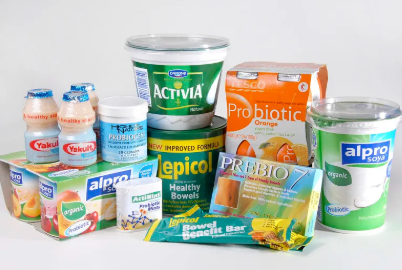
It is widely added to various foods, including fermented milk, milk powder, juice, and beverages. Its primary purpose is to provide consumers with beneficial effects such as antibacterial properties, diarrhea relief, and improved intestinal health.
Medicine and Health
Lactobacillus acidophilus is used to prevent and assist in the treatment of various health conditions, primarily in the form of probiotic preparations (such as capsules and powders) or special medical formulas.
Regulates intestinal flora and treats intestinal diseases:
Inhibits harmful bacteria such as Escherichia coli and Salmonella, and is used to treat antibiotic-associated diarrhea and irritable bowel syndrome (IBS).
Helps improve Helicobacter pylori eradication rates and reduce treatment side effects.
Boosts immunity:
Stimulates the intestinal immune system, activating macrophages and lymphocytes, helping to reduce the risk of infection and providing some relief for allergies.
Improves lactose intolerance:
Produces lactase, which helps break down lactose, alleviating bloating and diarrhea after consuming dairy products in lactose-intolerant individuals.
Assists in regulating blood lipids:
Absorbs intestinal cholesterol and promotes its excretion, helping to lower blood levels of "bad" cholesterol (low-density lipoprotein).
Agriculture and Animal Husbandry
In agricultural farming, Lactobacillus acidophilus, as a microecological agent or "green feed additive," is used to replace or reduce the use of antibiotics, promoting growth, preventing disease, and improving product quality.
1. Livestock and Poultry Farming (e.g., broilers and fattening pigs):
Growth Promotion: Significantly increases daily weight gain in broilers and ketone body production in fattening pigs.
Health Improvement: Maintains intestinal health, reduces diarrhea and disease, and reduces mortality.
Product Quality Improvement: Increases lean meat content in pork and improves its sensory quality.
Lowers serum cholesterol levels in broilers.
Increases Feed Utilization: Improves nutrient digestion and absorption in animals.
2. Aquaculture:
Improve Intestinal Health: Optimizes the intestinal flora structure of aquatic animals and enhances immune function.
Growth Promotion: Improves nutrient digestion and absorption, thereby accelerating growth.
Improves the Farming Environment: By regulating the intestinal flora, it reduces harmful waste emissions and helps improve water quality.
3. Crop Planting:
Soil Improvement: Decomposes organic matter, improves soil structure, inhibits soil-borne pathogens, and increases soil fertility.
Promotes Crop Growth: Secretes plant growth hormones, stimulates root development, enhances crop resistance, and ultimately improves yield and quality.

FAQ
Q: What certifications do you hold?
A: We prioritize product quality and safety, and our production facilities hold several top international certifications, including:
· cGMP
· ISO9001 and ISO22000
· BRC
· HACCP
· EU and NOP organic certifications
· Kosher certification
· Halal certification
Q: Do you provide third-party test reports (COAs) for your products?
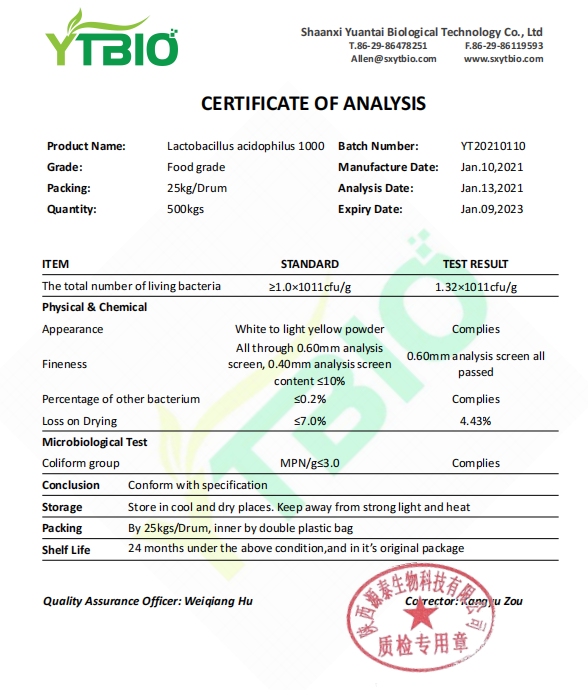
A: Of course. We provide a COA with every batch.
Q: Do you offer custom products and technical support?
A: Yes, we have a strong R&D team. In addition to standard products, we can also provide customized dosage forms and customized packaging to meet your specific needs.
Our technical team is always ready to provide comprehensive technical support, including product application and formulation advice.
